
Celebrating 4 Years of Successful Cloud Mining Rentals on Hashrate Farm
We've hosted miners since 2017 and run cloud mining rentals online since 2021. Here's how our contracts work, what changed in the new version, and a plain 12-month comparison against buying ASICs with the same $4,000.
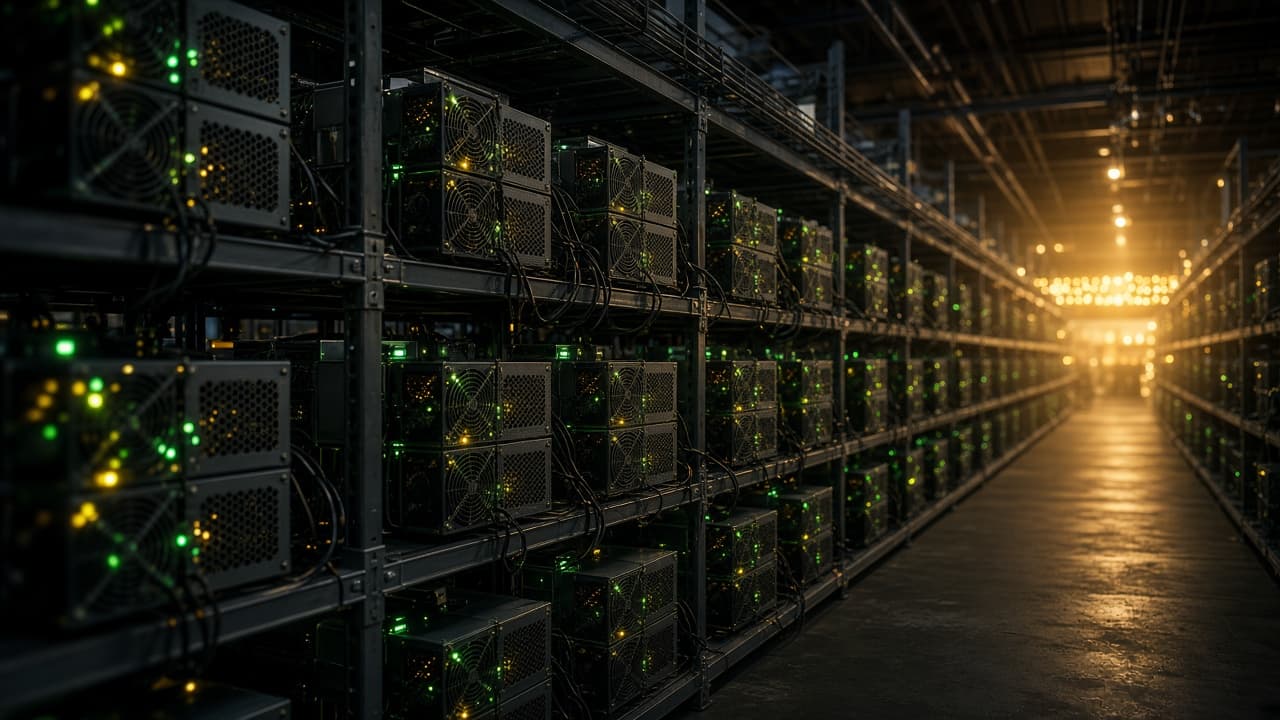
Four years ago we switched on the online side of Hashrate Farm. The machines were already running. We'd been hosting miners since 2017, long before we had a website with a checkout, and cloud mining rentals were the obvious next step: people kept asking us whether they could just rent a slice of what was already hashing.
If you want to check how long the domain has existed rather than take our word for it, the registration is public: WHOIS record for hashrate.farm.
What we actually do
It started as hosting and grew sideways. Today the same team and the same hall cover:
- Mining machines, new and used ASICs
- A repair center for hashboards, PSUs and control boards
- Hosting, where we handle power, cooling and maintenance
- Hashrate rentals you can point at any pool
- Cloud mining contracts in USDT or BTC
- Solo pool mining for people who want a shot at a whole block
- Mining site management software (Farm Manager) and a set of free mining tools
None of that was planned as a product line. Each piece exists because we needed it to run our own racks, and then customers asked for it.
How a cloud mining rental works
You rent hashrate on miners that are already online in our farm. You don't buy a machine, you don't pay our power bill, and you don't deal with a dead fan at 3 a.m. We do.
There are two contract types, both priced in USDT:
- USDT contracts pay a fixed reward every month, in USDT.
- BTC contracts show a minimum daily Bitcoin reward on the package. It accrues daily and pays out monthly to your Bitcoin address.
On both, your contract capital comes back when the contract ends. That last part is what separates a rental from buying hardware: an ASIC loses value every month you run it, a contract returns the amount you put in.
What's new: contracts with a coin switcher behind them
The updated contracts run on our profitable-coin switching system. When you own a miner, you pick one coin and live with it. If difficulty jumps or the price drops, you either leave it or spend your evening repointing hardware. With a rental, we decide which coin the rented machines mine, and we move them when the numbers say so. You get the reward schedule on your contract, not a spreadsheet to babysit.
That's also the honest reason a rental can beat buying: the rewards come from machines we're already operating at our own power cost, with someone watching them.
Buying miners vs a cloud rental: same $4,000, 12 months
This is the example we put on the cloud mining page. Take the same budget and run it two ways.
| Buy miners | Cloud rental | |
|---|---|---|
| Hardware | $2,000 | $0 |
| Hosting + electricity (1 year) | $2,000 | $0 (included) |
| Total cost | $4,000 | $4,000 contract |
| Monthly income | about $180 | scheduled mining rewards |
| Mining reward after 1 year | $2,200 | $1,200 |
| Capital returned | None (you hold used hardware) | $4,000 |
| Total back after 1 year | $2,200 | $5,200 |
| Net result | -$1,800 | +$1,200 |
Read the numbers carefully, because they're easy to misread. The buyer's mining income is higher in raw dollars ($2,200 against $1,200), but half the budget went into electricity and hosting and none of it comes back. The renter earns less per month and still finishes ahead because the $4,000 is returned at the end.
Two caveats we won't skip. First, this is an illustrative 12-month example. Mining rewards move with network difficulty, coin prices and market conditions, and none of it is guaranteed. Second, the buy-miners column ignores whatever you could sell the hardware for after a year. A used ASIC isn't worth zero, though it's worth a lot less than you paid.
What you skip with a rental
- No hardware purchase
- No electricity bill
- No maintenance or repair fees
- No choosing and switching coins yourself
What you take on instead is counterparty risk: you're trusting an operator to run the machines and pay the contract. That's why we point to our history and the public domain record instead of asking you to take a landing page on faith. If you're comparing rental providers, ask each one that same question.
Where to start
Pick a contract on the cloud mining page, pay the invoice in the crypto you prefer, and the contract activates after confirmation. If you'd rather chase a full block than collect scheduled rewards, our solo pools at mysolopool.com are the other end of the same farm. And if you want the longer argument for contracts over hardware, we wrote it up here: USDT and Bitcoin cloud mining: why contracts beat buying ASICs.
Thanks to everyone who's rented hashrate from us over these four years. Questions about a contract before you buy? Use the contact page and ask.
Tags
Author & editorial standards
Written by Admin. Content is reviewed under our editorial policy for accuracy, operational clarity, and transparent sourcing on mining economics and hardware.
Continue This Topic
Mining Playbooks
Execution-focused frameworks for miner selection, hosting, and scaling decisions.
Trust Center
Transparency, support standards, and platform reliability principles.
Profitability Calculator
Model downside risk and break-even scenarios with current assumptions.
Hosting Options
Compare managed hosting trade-offs and infrastructure fit.
Related Posts
USDT and Bitcoin Cloud Mining: Why Contracts Beat Buying ASICs
Hashrate Farm now offers USDT and Bitcoin cloud mining contracts. Fixed rewards, monthly payouts, and capital returned when the contract ends — without electricity bills or hardware wear.
Announcing ASIC Manager Software: Cloud Monitoring for Every Site You Run
We are shipping Hashrate Farm Manager as free local ASIC software today—and opening cloud multi-site monitoring free through 2026 before a paid remote tier in 2027.